26 March, 2025
1 category
Here’s a ✅ checklist to help you evaluate a good Montessori program — whether you’re visiting a school or researching online:
🏫 Environment & Classroom Setup
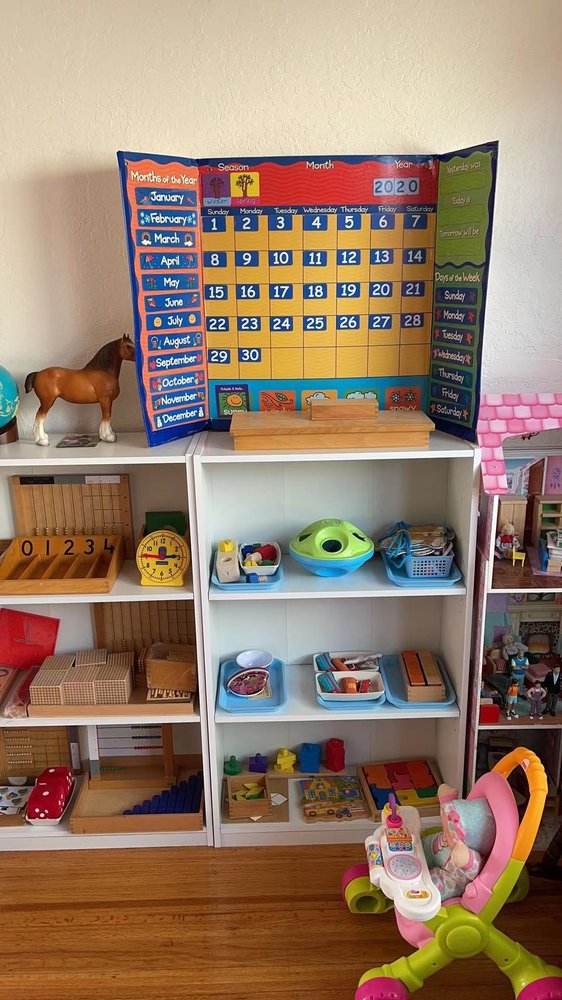
- Calm, organized, and inviting classrooms
- Natural light, wooden furniture, neutral tones (not flashy or overstimulating)
- Child-sized furniture and materials accessible at child level
- Real tools and materials (not toys) for practical life skills
- Clearly defined learning areas: Practical Life, Sensorial, Math, Language, Cultural
👩🏫 Teachers & Staff
- Lead teachers hold certified Montessori credentials (e.g. AMS)
- Teachers act as guides — not lecturers — observing and supporting rather than directing
- Staff respects each child’s pace and personality
- Warm, respectful communication with children and parents
📚 Curriculum & Materials
- Authentic Montessori materials, not just Montessori-inspired toys
- Mixed-age classrooms
- Emphasis on hands-on, self-correcting materials
- Children work in long, uninterrupted blocks (usually 2–3 hours)
- Freedom of choice within clear structure and expectations
🧠 Child-Centered Philosophy
- Individualized learning plans — each child progresses at their own pace
- Focus on independence, concentration, coordination, and order
- Encouragement of intrinsic motivation (not rewards or punishments)
- Grace and courtesy lessons — respect, manners, and emotional development
👫 Social & Emotional Growth
- Mixed-age peers help teach cooperation and leadership
- Conflict resolution is taught through respectful dialogue and reflection
- Peaceful atmosphere, fostering empathy and self-regulation
🧾 Practical Details
- Transparent about policies, philosophy, and teacher credentials
- Clean, safe, and well-maintained facility
- Low student-to-teacher ratio
- Open communication with parents and regular progress updates
Category: School News
Related Posts